
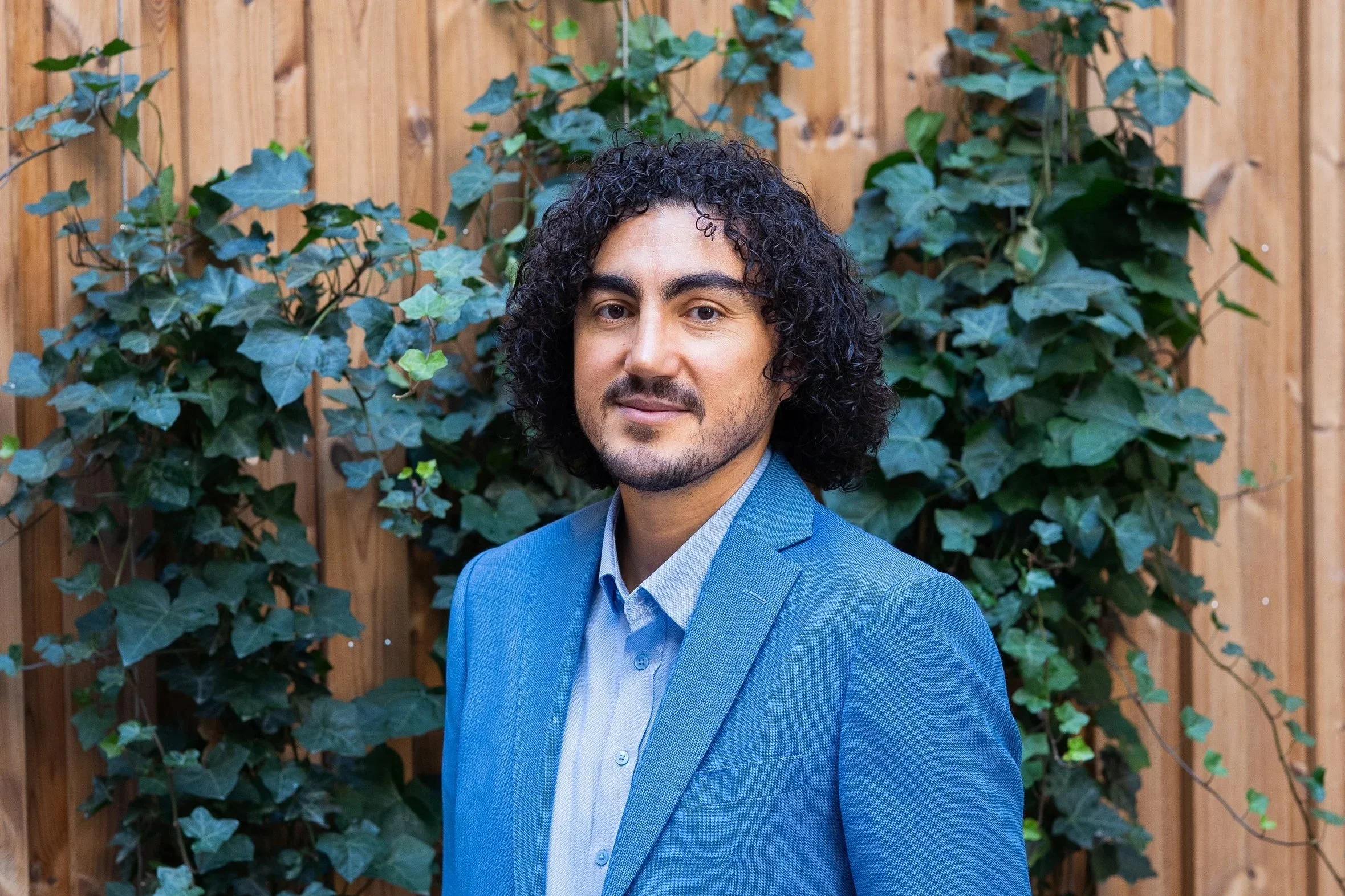
PERSONAL STORIES
An engineer who became a consultant
“ The technical challenge was almost secondary. The real work was the people”.
— Orkhan Asif, Senior Manager
I never planned to become a consultant
During my master's in Industrial Engineering and Management, I had the option to swap a few classes for an advisory project at an organisation working in renewable energy technology. I took it. The assignment was simple on paper: “improve this system”.
What I quickly discovered was that "improve this system" is never actually simple.
The moment you walk into an organisation, you're met with conflicting views, competing priorities, and stakeholders who each have a completely different picture of what the problem even is. There is no tidy brief. There is no clear answer waiting at the back of a textbook. You have to talk to people, make sense of the noise, and then build something coherent enough that everyone in the room can say: yes, this is the direction we should go.
That experience hooked me.
I had always been drawn to systems, how components connect, how processes flow, how small inefficiencies compound into big problems. Growing up with an engineering mindset means you're always asking: why does this work the way it does, and could it work better? I spent a good part of my studies fascinated by Lean Thinking and Toyota Production System. The elegance of Lean approach in particular, the idea that continuous, disciplined improvement at every level of a system compounds into something extraordinary over time, genuinely captivated me. I was convinced I'd end up optimising factory floors and production lines.
What I didn't expect was how cleanly that logic would map onto something entirely different.
I ended up applying that same systems mindset to a completely different domain: commercial processes. Sales pipelines, service operations, contract management, pricing logic. On the surface, it looks nothing like manufacturing. But the fundamental questions are identical: where is the friction, what is causing it, who is affected by it, and how do we fix it in a way that actually holds when the real world pushes back.
People, not just processes
What I didn't expect was how much of the work would be about people, not processes.
In that first advisory project, the technical challenge was almost secondary. The real work was navigating ambiguity, sitting across from stakeholders who disagreed, synthesising input that didn't line up, and arriving at a recommendation that was grounded in the business reality in front of me, not the idealised version of it. You can't resolve that kind of complexity with a framework alone. You must listen carefully, ask the right questions, and earn enough trust that people tell you what they think rather than what they think you want to hear.
That combination, analytical rigour on one side, human navigation on the other, is what consulting really demands. And I remember finishing that project thinking: I want more of this.
It wasn't a calculated career move. It was a genuine realisation that this kind of work suited how my mind works. I'm energised by problems that don't have obvious answers. I'm drawn to situations where multiple intelligent people look at the same data and reach completely different conclusions, because that gap is usually where the most important insight is hiding.
What also surprised me was how transferable the underlying skills turned out to be. The curiosity that made me want to understand Lean philosophy is the same curiosity that now drives me to understand how an organisation manages its reinsurance processes, or how a technology company structures its sales motion. The domain changes, the mindset doesn't.
Curiosity as a working method
Over the years, I've worked with clients across industries: insurance, technology, financial services. Each one has its own language, its own logic, its own version of what "good" looks like. Learning that language quickly, without pretending you already know it, is one of the most important skills in this work. Curiosity is what makes that possible. Without it, every new engagement feels like a threat. With it, every new engagement feels like an opportunity.
That tension between structure and uncertainty is something I've never stopped finding interesting. Most people, when they encounter a genuinely ambiguous problem, want to reduce the ambiguity as fast as possible. I've learned to sit with it a little longer, because the best solutions usually come from understanding the full shape of the problem before you start solving it.
Consulting, at its core, is about making sense of complexity on behalf of someone else. Turning noise into signal. Turning signal into direction. And I think that's a privilege, if you're genuinely curious about it.
It started with a university project. That turned into a career. I wouldn't change it.
Any questions? Reach out to
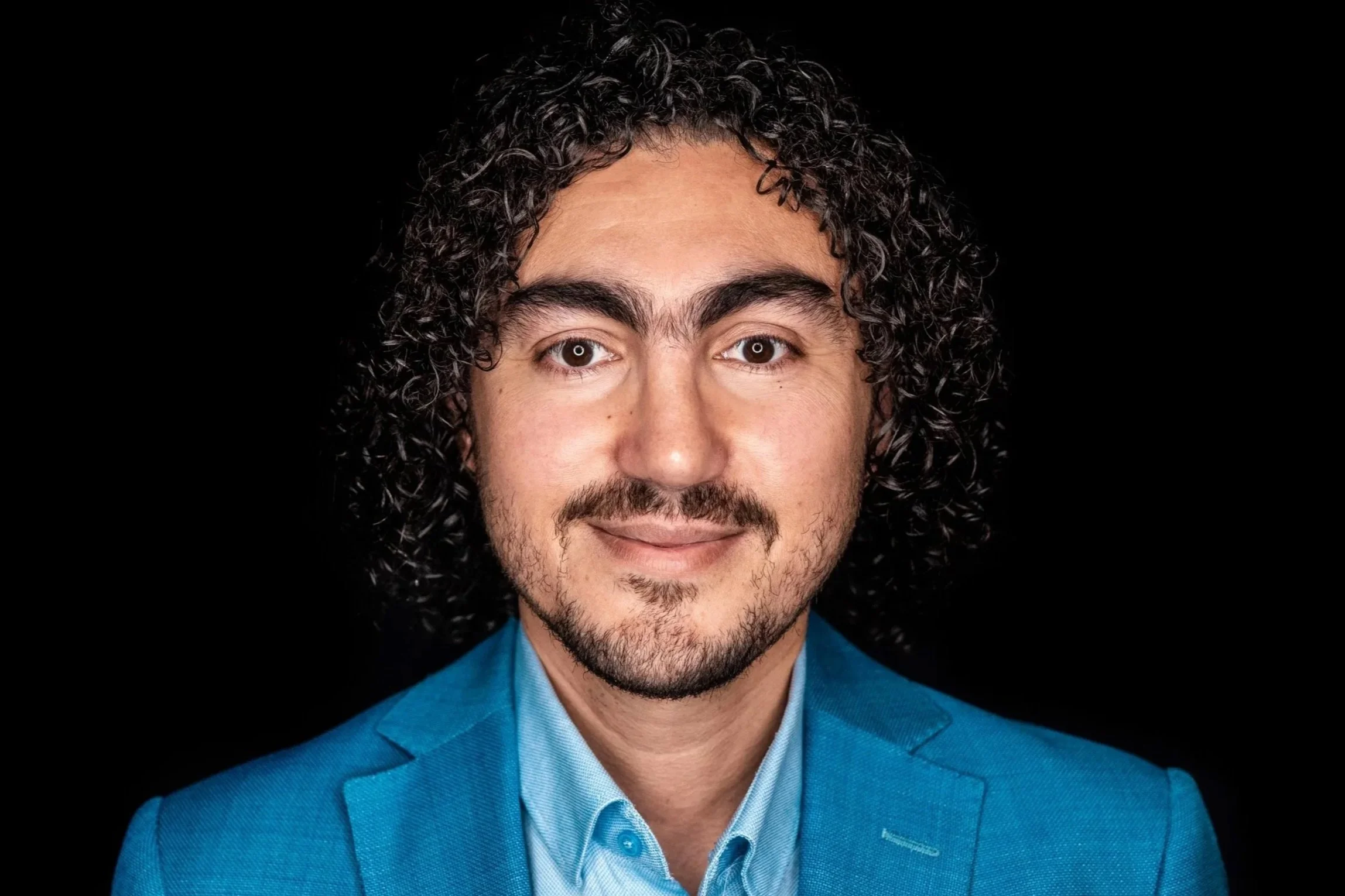
Orkhan Asif
Orkhan is a Senior Manager. He brings expertise in defining technology vision and strategy for digital transformation, leveraging expertise in AI, Salesforce, and financial services to drive business growth and build market-relevant solutions.
Prior to joining NORTH, he worked at IBM as a Salesforce Solution Architect, and most recently at Deloitte, where he was responsible for leading the design and delivery of integrated industry solutions.